Status of the guideline
This page is based on the German S3 guideline “Surgery for obesity and metabolic diseases” from February 2018. A new version is in preparation. As soon as it is published, we will revise this page (more on this in the overview).
Good question. For months you worked towards this day, hopefully found out a lot, probably drove the people around you “crazy” in the days before the operation, and were a little afraid yourself. Now it is over. Or so you think.
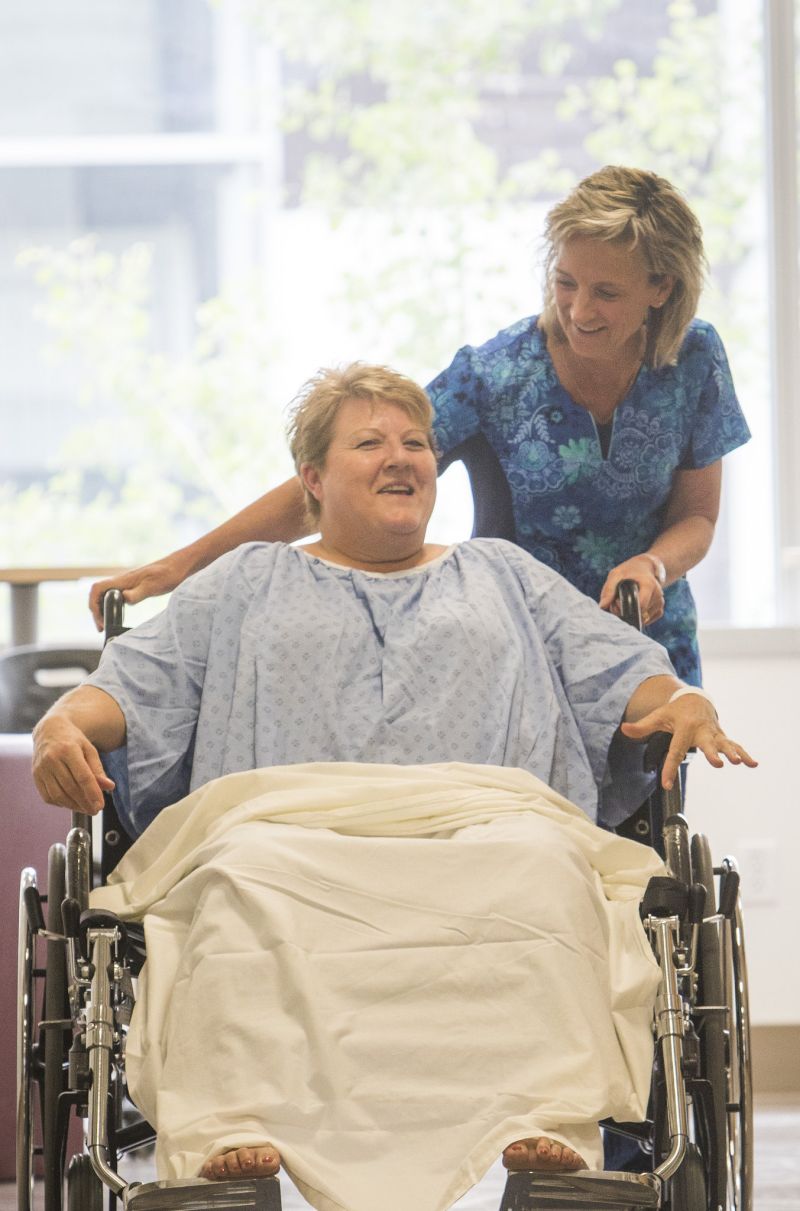
You may have slight pain on your left side at the level of the lower ribs. This is possible and normal: the surgeon had to reach your stomach with the instruments somewhere.
The first days
In the first days after the operation, almost everything revolves around drinking. Drinking enough will shape your daily routine from now on.
No more hunger?
Many people who have had surgery are surprised that at first they hardly feel hungry any more. This is not only due to the smaller stomach but above all to changed hormone signals between the gut and the brain. It takes time to get used to this.
Some people still feel hunger or appetite, straight after the operation or a few months later. This is not imagination. But it is worth taking a close look:
- Physical hunger comes on slowly, can be satisfied with a small meal and is not fixed on a particular food.
- Appetite or “head hunger” comes on suddenly, often with stress, boredom or frustration, and craves something specific.
Both are real, but only physical hunger needs food. Head hunger needs other answers. Old patterns do not disappear by themselves with the operation. You did not take the long road to surgery in order to go back to how things were. If you notice old patterns coming back, get help early – from your nutrition professional, your psychotherapist or your self-help group.
Building up your diet
When you are allowed to eat again depends on the hospital. As a rule, soups or puréed food are given on the second or third day. This is called a gentle build-up of food (Kostaufbau). Do not forget: you have a fresh suture in your stomach that must not be overloaded.
Eat slowly. Very slowly. You have to learn to listen to your body. The small stomach is often full after just one or two spoonfuls. Don’t worry: you will not starve. Your body has enough reserves, and that is exactly what it should use now.
Over time you can slowly increase the amounts. In the first two to three weeks we recommend only soups, thin mashed potato and puréed vegetables. Spreadable sausage and soft cheese can be added gradually. Follow the plan from your obesity centre.
Your sense of taste may change: you may perceive spices, sweet and sour things differently. Take the opportunity to cook fresh food. That way you always know what you are eating.
Imagine you are with friends or at work, try something new and cannot tolerate it. So it is better to try new foods at home first.
Very important
“Just one more bite” usually ends badly. Leave it. Say goodbye to the idea that you have to clear your plate. Pressure in the stomach, pain and nausea can be the result.
Involve your family and partner
The first weeks after stomach surgery are a big change. You may go through an emotional rollercoaster and be very preoccupied with yourself.
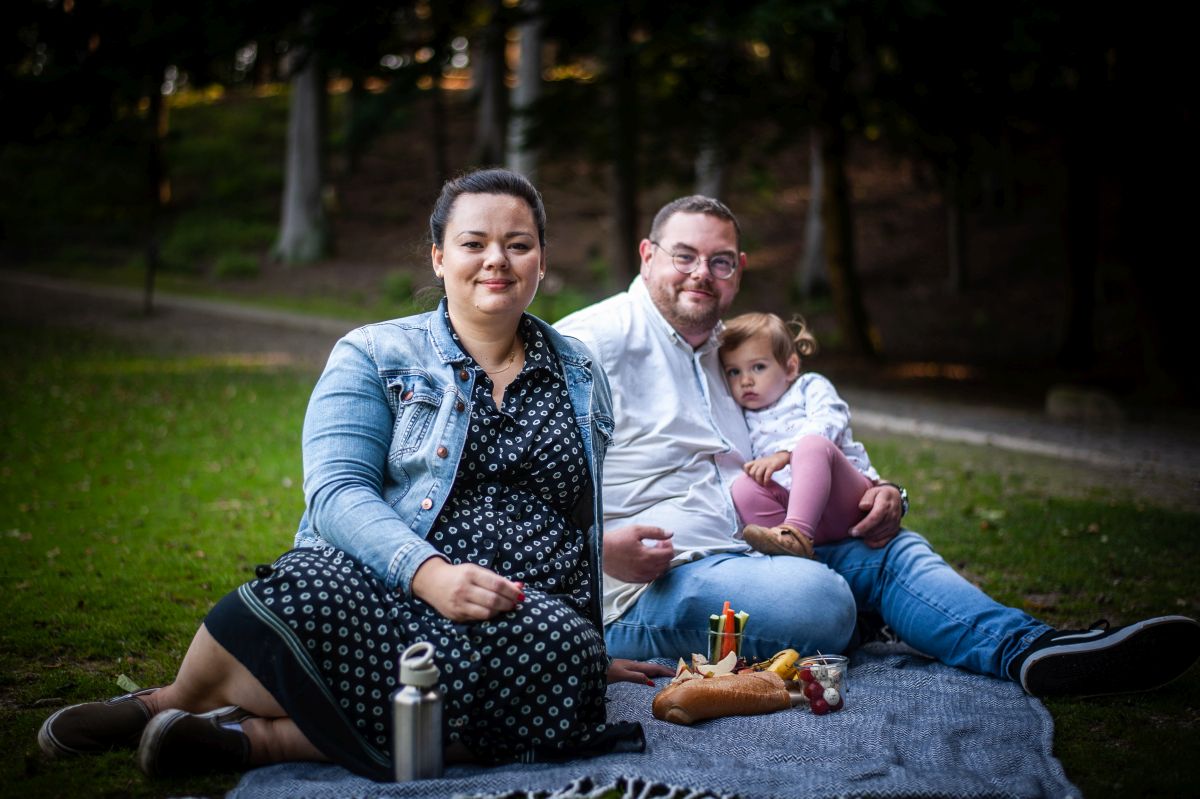
Make sure you involve your partner and your family, ideally as soon as you decide to have the operation. You will need their support and understanding. The people around you often do not have it any easier than you. You may regain joy in life and mobility and suddenly want to do lots of things again. Some partners find this difficult at first. Talk to each other and ease each other’s fears.
What else should I do?
Nutritional counselling
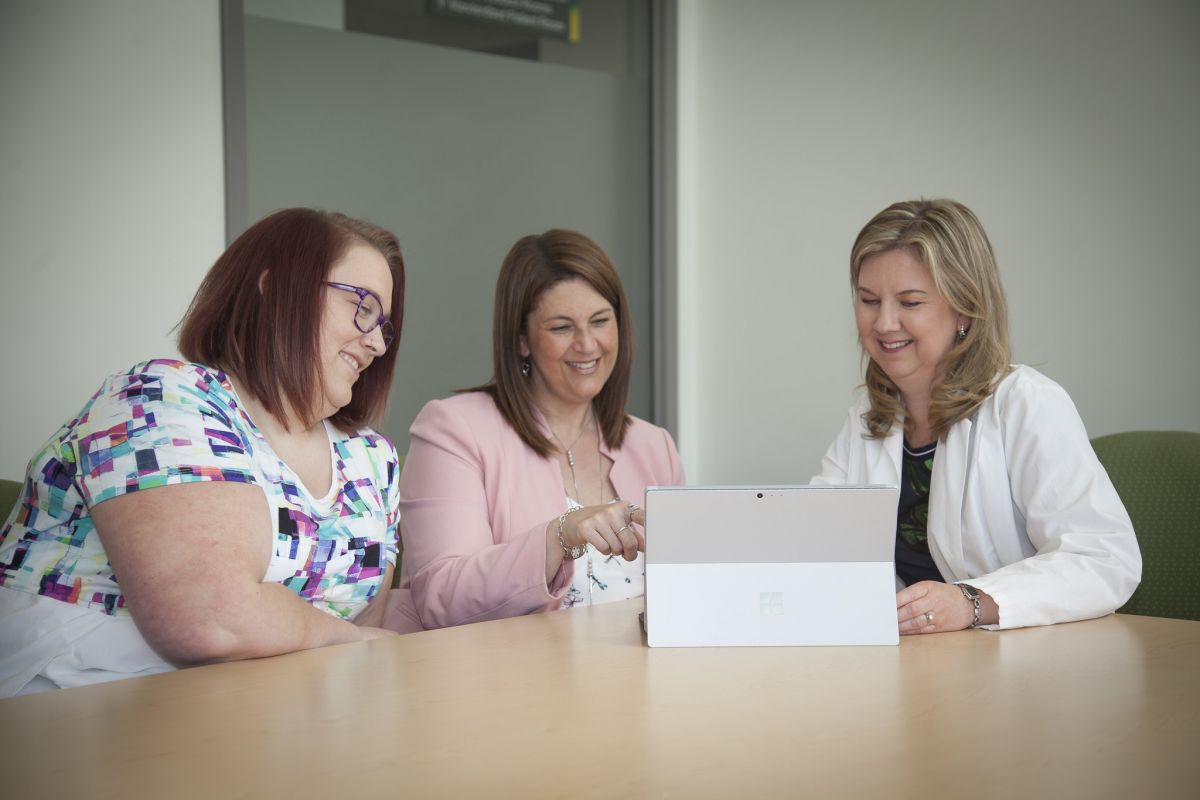
In the first weeks and months after the operation, you should make use of the support of a nutrition professional. Some regions also offer nutrition groups especially for people who have had surgery. In our experience, these groups help a lot with getting used to the new life.
Behaviour therapy
Many people used to eat out of boredom, stress or frustration. During the preparation they had a clear goal: the operation. Once that has been achieved, it is easy to fall back into old behaviour. Behaviour therapy can help you deal with this better. Accept this help.
Look after your mental health too
Most people feel better after the operation, physically and mentally. But it is also true that for some, things get harder. Studies show that depression, alcohol problems and crises can occur more often after obesity surgery than before.[1]
- Alcohol: after a gastric bypass, alcohol acts faster and more strongly because it reaches the small intestine immediately. Over time, some people who have had surgery drink more than before, even if they hardly drank previously. Be particularly alert here.
- Old patterns in a new form: when food is no longer available as comfort, some people look for another way of dealing with stress and feelings – not always a good one.
- Disappointed expectations: the operation does not solve all problems. That can be sobering.
If you notice that your mental health is getting worse, talk about it early – at your obesity centre, with your family doctor or in your self-help group. If you are in crisis, you can reach the TelefonSeelsorge telephone counselling service (in German) at any time on 0800 111 0 111 or 0800 111 0 222.[2] In an emergency, call 112.
Physical activity
Even though the quote “No sports” is often attributed to Winston Churchill, there is no way around it. When you lose weight, you also lose muscle mass, and that should be avoided as far as possible. Muscles keep you mobile and use energy. A BIA measurement shows how your muscles are doing.
The good thing: with every kilo, movement gets easier, and you may even start to enjoy sport. You would not be the first. But do not overdo it, or you will quickly lose interest again. Get guidance (see Physical activity).
Self-help group
You may already know your self-help group from the preparation period. Stay with it. Just as you benefited from people who had already had surgery at the beginning, others can now benefit from your experience. You know best what questions and fears “newcomers” have. And even if you feel after a few months that the group no longer helps you: if problems come up later, you can always come back.
Pain or problems?
When eating or drinking causes problems, people often look for the fault in themselves. Observe your eating behaviour and when the problems occur. If things still do not improve, talk to your surgeon. An endoscopy or a swallowing X-ray can reveal physical causes. With severe abdominal pain, go to a hospital immediately.
Weight loss has stalled?
This happens; the body needs a breather sometimes. A plateau can last several weeks. Check your protein intake and your eating behaviour, but do not put yourself under too much pressure – the mind plays a role too. If the plateau lasts longer, talk to your nutrition professional or your doctor.
Sources
- S3-Leitlinie Chirurgie der Adipositas und metabolischer Erkrankungen (AWMF 088-001), version 2.3, February 2018 (currently being revised), register.awmf.org (in German), statements 7.3 and 7.4 (alcohol, mental health crises after surgery), section 7 (follow-up care).
- Familienportal des Bundes (Federal Family Portal): Krisentelefone und Anlaufstellen in Notlagen. familienportal.de (in German)